If you’re reading this, chances are preschool is suddenly a big topic in your house.
Maybe your little one just turned two and everyone—from grandparents to random aunties—is asking, “Have you decided on a preschool yet?” Or maybe you’ve started Googling late at night, only to close the laptop more confused than before.
You’re not alone. Choosing a preschool in Dubai can feel overwhelming. So let’s slow things down and answer the 10 most common questions parents ask us at Leads Early Childhood Center—honestly, calmly, and without educational jargon.
1. “What age should my child start preschool in Dubai?”
Short answer: There’s no single ‘right’ age.
In Dubai, most preschools accept children from 18 months to 4 years, depending on the program. But readiness isn’t about age alone—it’s about curiosity, communication, and comfort around others.
Some kids thrive early. Others need time. At Leads, we’ve seen both—and both are perfectly okay. A good preschool meets your child where they are, not where a chart says they should be.
2. “Is my child too young if they’re not talking much yet?”
This one comes up a lot.
Here’s the truth: preschool is often where language blooms, not where it’s required. Many children say very little at home, then suddenly start chatting after a few weeks in a social environment.
At Leads, we focus on gentle communication, not pressure. Songs, stories, role play, and peer interaction do more than flashcards ever could.
3. “What curriculum should I choose—EYFS, Reggio Emilia, Montessori?”
It’s easy to get lost in curriculum names.
Instead of asking which curriculum is best, ask:
- Does it encourage curiosity?
- Does it allow children to explore at their own pace?
- Does it focus on emotional development, not just academics?
Leads Early Childhood Center blends EYFS with the Reggio Emilia approach, which means structure and creativity. Children learn through play, exploration, and real-life experiences—not worksheets.
Read more The Benefits of Play-Based Learning in Early Childhood
4. “How safe is preschool in Dubai, really?”
Dubai has strict regulations for early childhood education, and that’s reassuring. But safety isn’t just about CCTV and secure gates.
It’s also about:
- Clean classrooms
- Trained staff
- Child-friendly furniture
- Supervision during play
- Emotional safety
At Leads, safety is layered—physical, emotional, and social. Children are encouraged, never rushed. Comfort comes before confidence.
5. “Will my child actually learn anything—or just play all day?”
This might surprise you: play is learning.
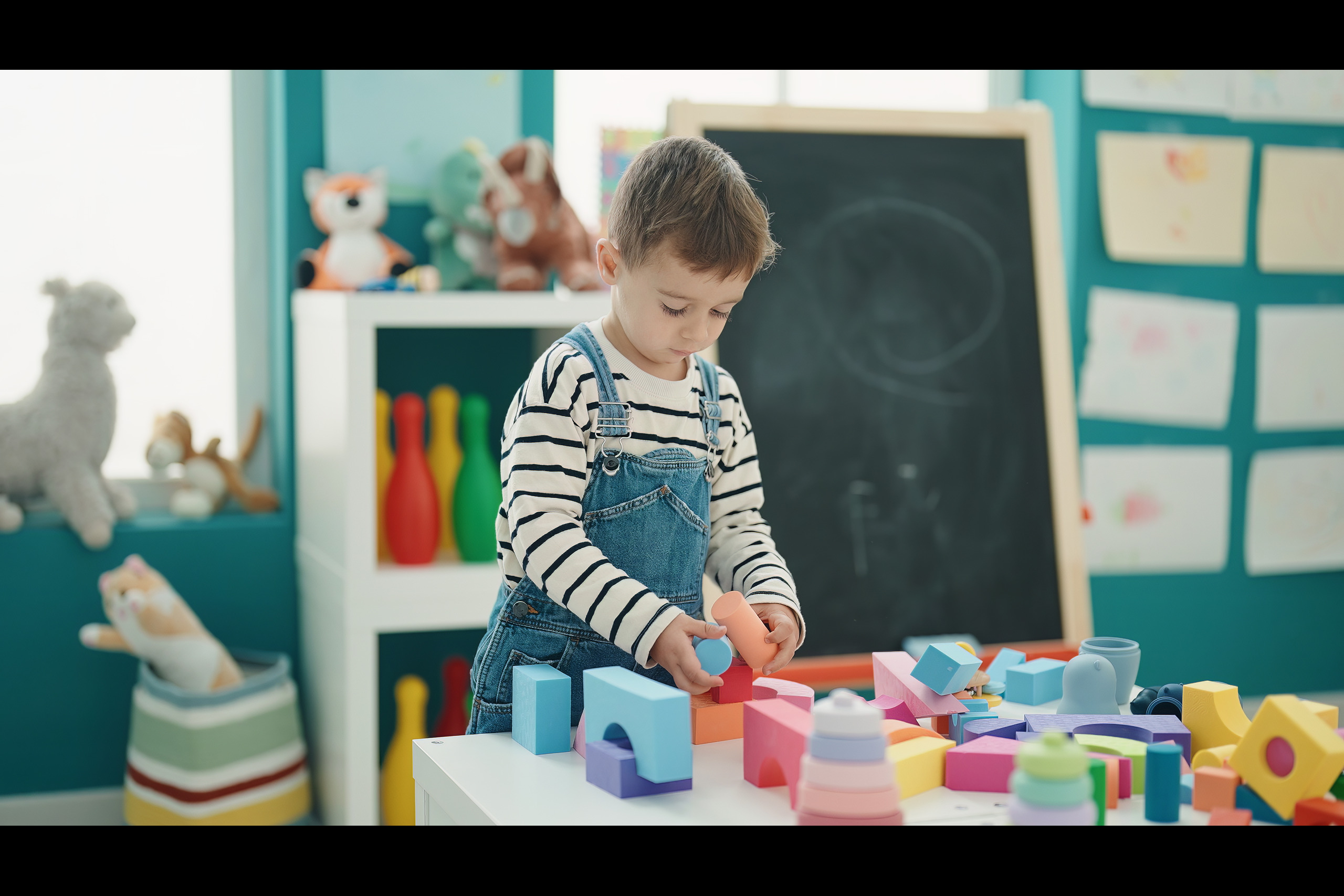
When children stack blocks, they’re learning balance. When they argue over a toy, they’re learning negotiation. When they paint freely, they’re expressing ideas they can’t yet put into words.
Structured learning comes later. Early childhood is about building the foundation—focus, confidence, independence.
And yes, your child will come home tired. That’s a good sign.
6. “What about screen time?”
A fair concern—and a valid one.
At Leads Early Childhood Center, screen time is minimal to none, especially for younger age groups. Learning happens through hands-on activities, sensory play, storytelling, and interaction—not tablets.
Children learn best when they’re moving, touching, and engaging with real people.
7. “How do you handle separation anxiety?”
Honestly? Gently and patiently.
Almost every child goes through it. Some cry for five minutes. Some for five days. A few take longer—and that’s okay.
What matters is how the school responds.
At Leads, we never rush goodbyes or dismiss emotions. Teachers work closely with parents, using gradual settling-in techniques. Most children adjust faster when they feel understood, not pushed.
8. “What should I look for when visiting a preschool?”
When you walk in, don’t just look at the décor. Look at:
- How teachers speak to children
- Whether kids look relaxed or rushed
- If classrooms feel warm, not crowded
- How mistakes are handled
Trust your instincts. If it feels calm and welcoming, your child will feel it too.
9. “Is preschool really necessary? Can’t I just teach at home?”
You absolutely can teach at home—and many parents do an amazing job.
But preschool offers something different: peer learning.
Children learn patience, sharing, routine, and communication by being around other children. These social skills can’t be fully replicated at home, no matter how dedicated you are.
Preschool isn’t about replacing parents—it’s about supporting them.
10. “How do I know if a preschool is right for my child?”
This is the most important question.
There’s no perfect preschool—only the right fit.
A good preschool:
- Respects your child’s individuality
- Communicates openly with parents
- Focuses on emotional well-being
- Treats children like humans, not checklists
At Leads Early Childhood Center in Dubai, we believe early education should feel safe, joyful, and meaningful—for children and parents.
Final Thought
If you’re feeling nervous, uncertain, or overwhelmed—take a breath. You’re doing your best, and that already makes you a great parent.
Preschool isn’t about getting your child ahead.
It’s about helping them feel confident enough to begin.
And that’s exactly where learning truly starts.